Approche
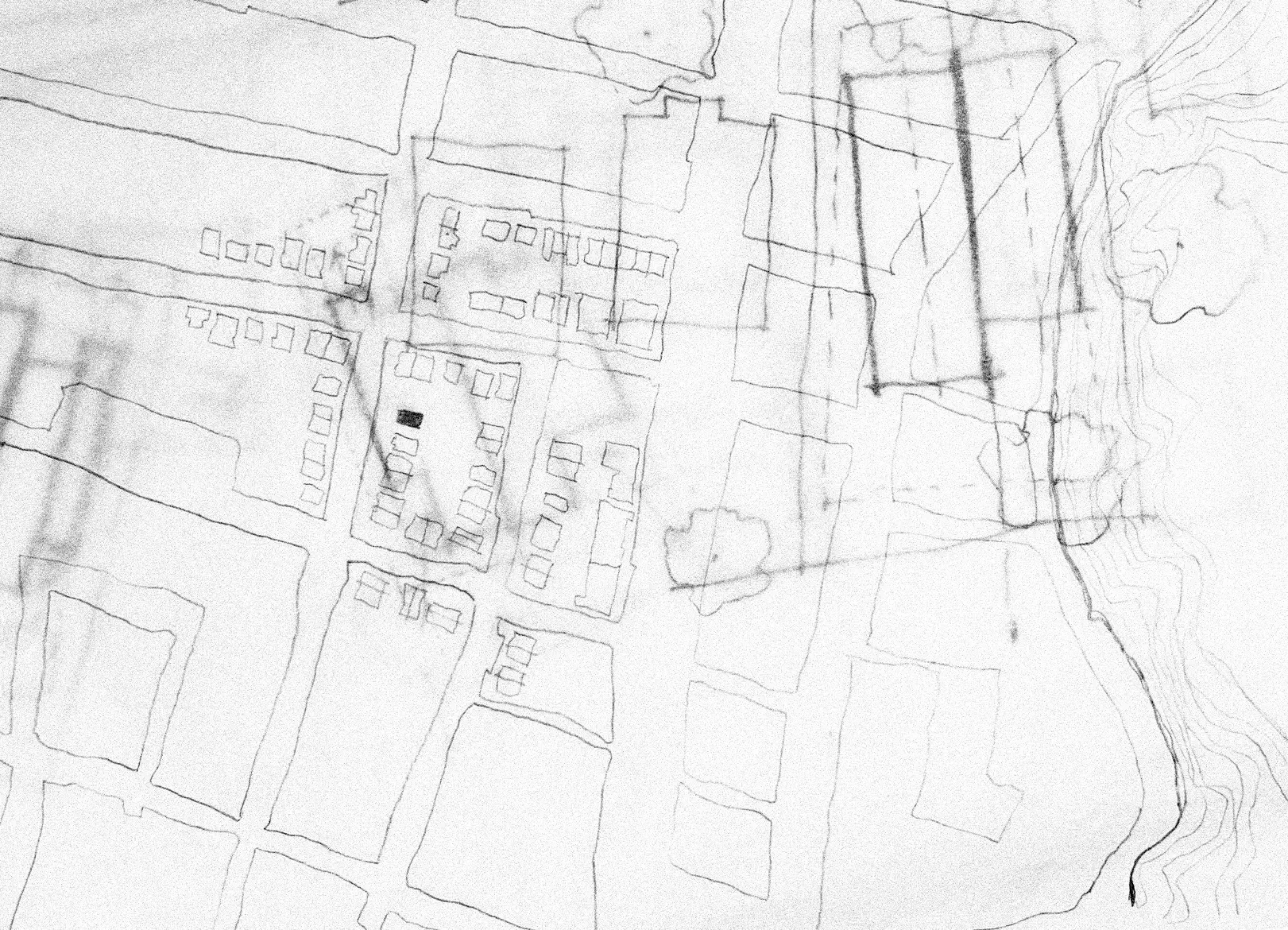
Understanding a space means observing how it is already inhabited, recognizing the traces of use that have been inscribed in it. This listening allows us to design just spaces — in dialogue with what already exists and what could happen, between individual aspirations and the common good.
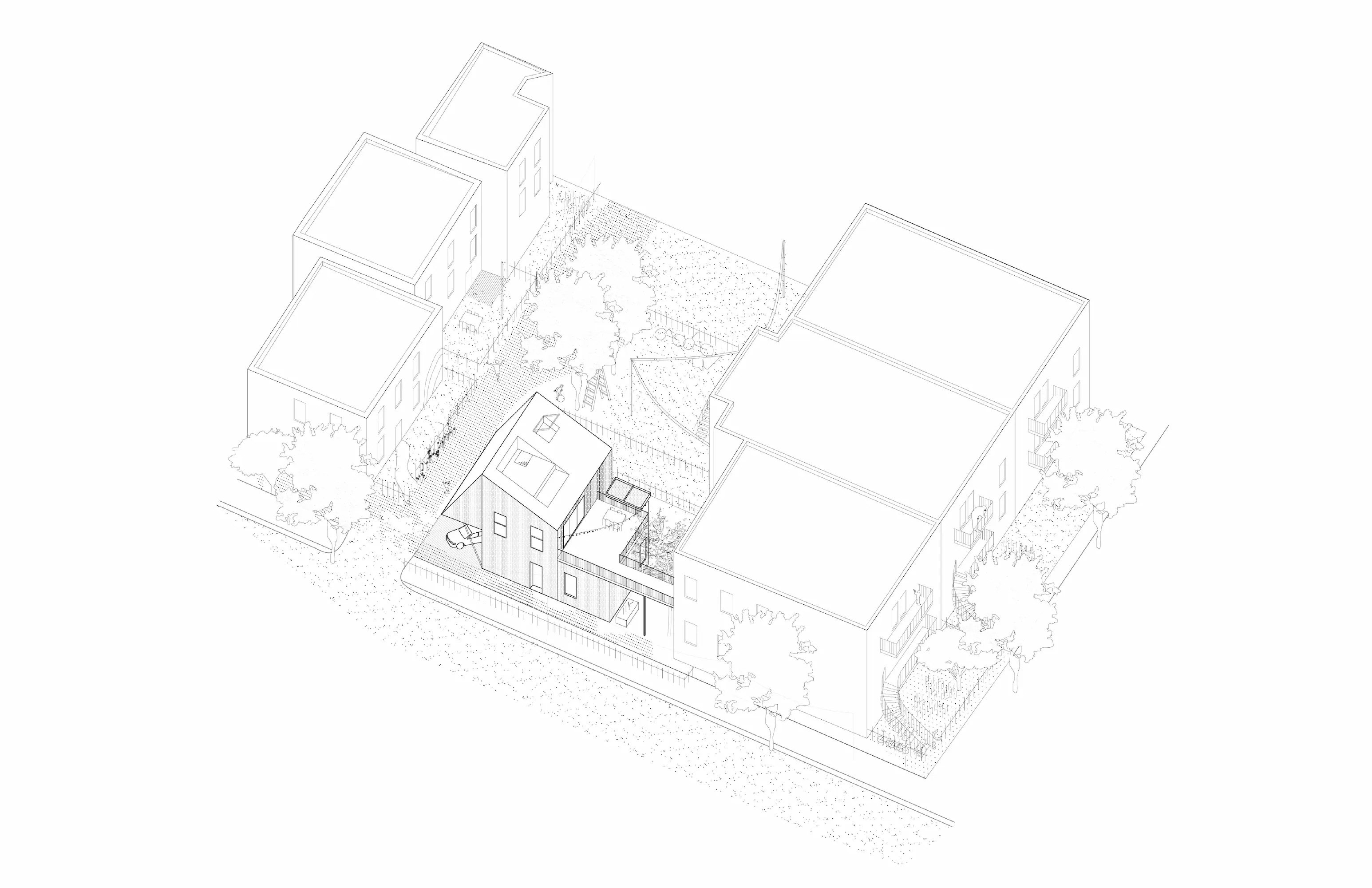
Our practice has been forged in the alleyways of Montreal, through the design and construction of small backyard houses. These projects taught us to densify the city without being abrupt, to transform constraints into opportunities. Since then, our practice has expanded to commercial projects, social housing, and institutional commissions. But regardless of the scale, our foundations remain the same: we intervene in a measured way, to reveal rather than impose, and to densify with sensitivity.
Cette lecture se construit à travers une démarche collaborative, ralliant les objectifs de nos clients aux enjeux urbains, sociaux, écologiques, patrimoniaux et réglementaires. De ces échanges — entre les occupants et différentes parties prenantes - nous développons des projets ancrés dans leur milieu, capables d’y contribuer durablement.

Densifier avec mesure
Densifier avec mesure
Working with what exists raises a simple yet essential question: how to transform without erasing? We are sensitive to the details that reflect past craftsmanship — a molding, a framework, a window with a crank. Each of our projects is part of a process of continuity, with spaces capable of evolving and repairing themselves. Reusing, adapting, grafting: these actions allow us to build with what is already there.
Composer avec l'existant
Composer avec l'existant
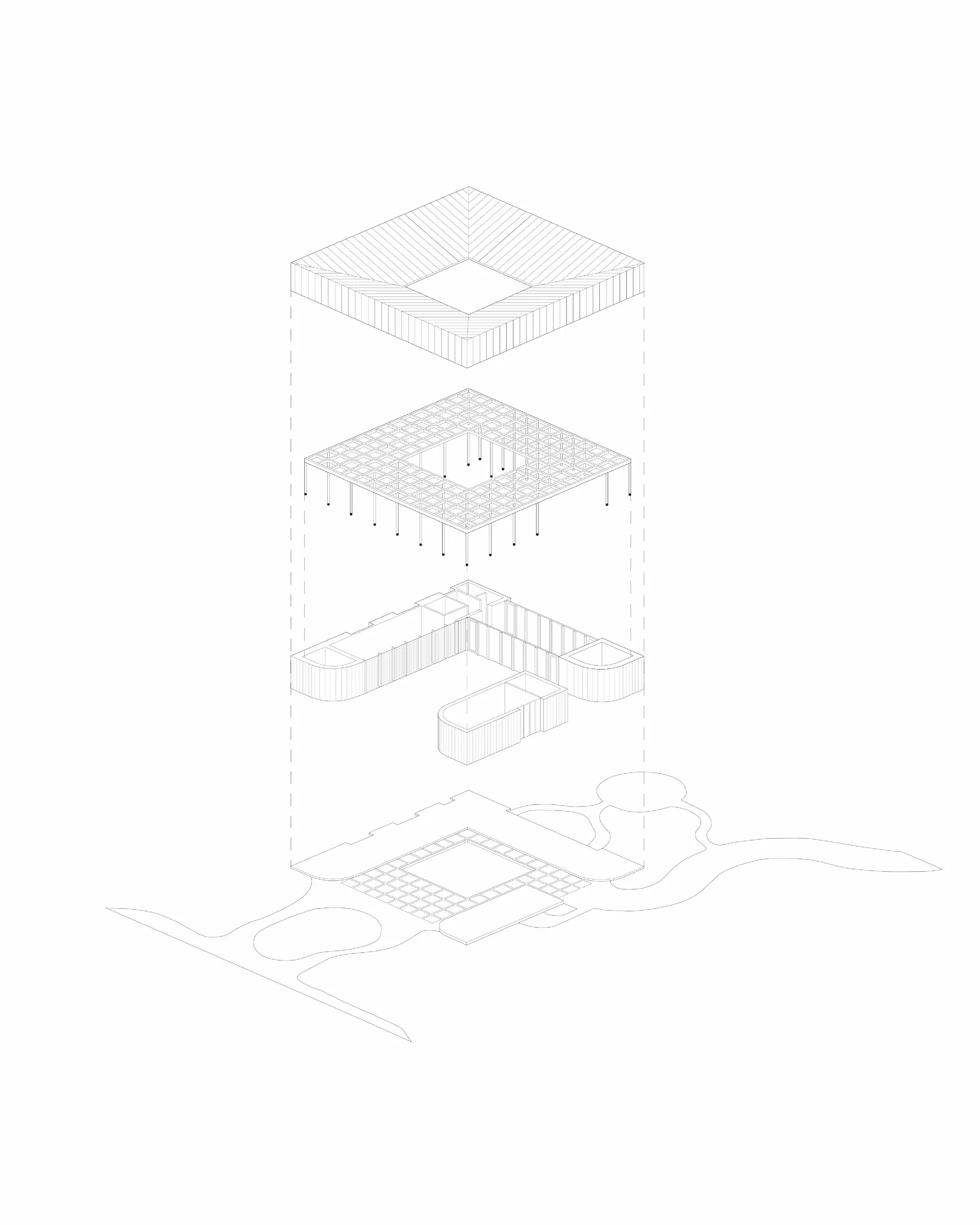
Building sustainably means making a series of pragmatic choices. Bio-based materials, high-performance mechanical systems, superinsulation of the envelope — each decision reflects environmental priorities integrated from the very first sketches, in alignment with the context and budget. We design spaces intended to be lived in for a long time, and well (for which the balance between ecological impact, cost, and feasibility is meticulously calibrated.

Concevoir pour durer
Concevoir pour durer
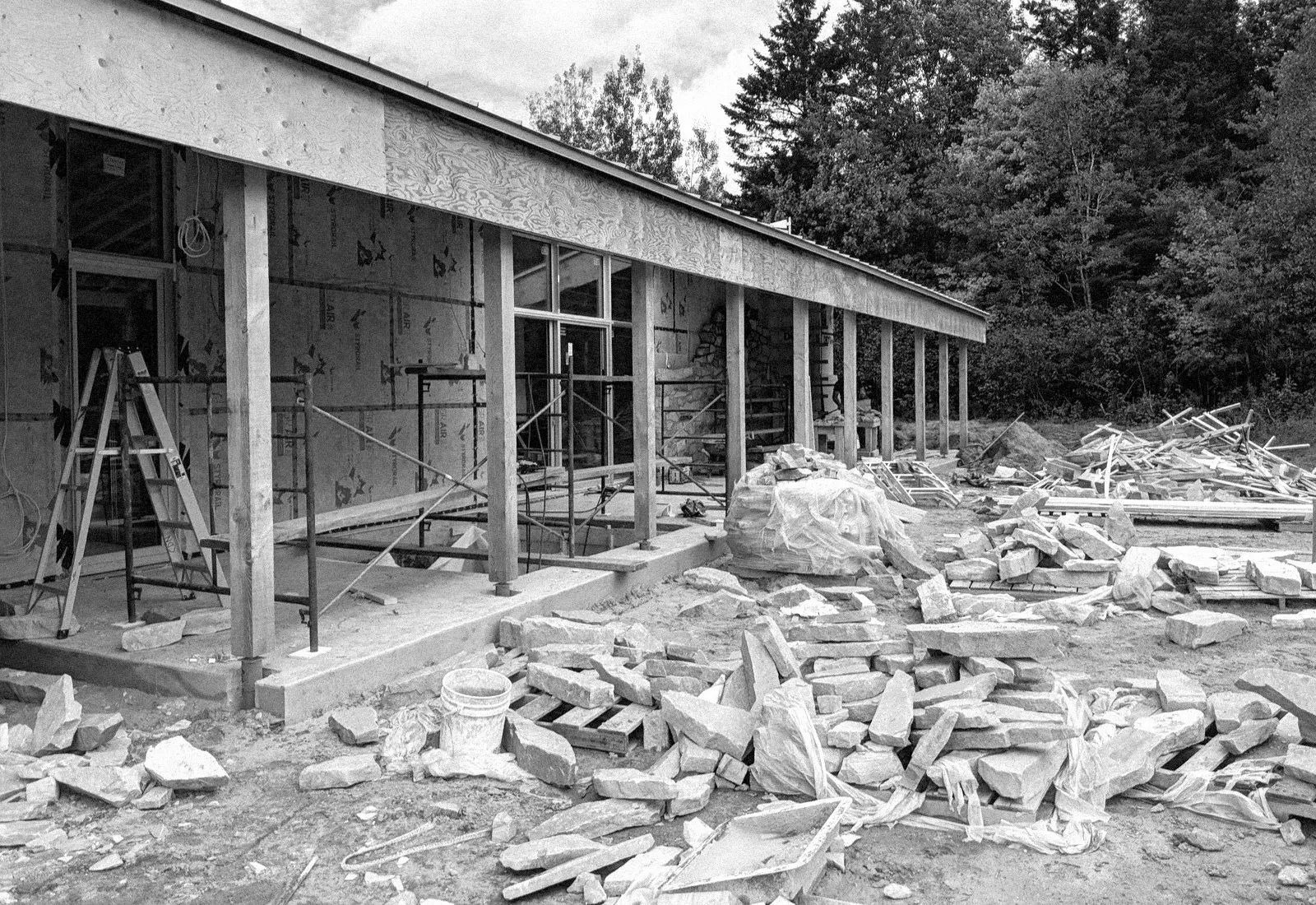
Each project requires a deep understanding of the relationship between architecture, people, and context. From large public facilities to residential transformations, we pay attention to the gestures that rhythm everyday life, how light moves, how one space opens onto another, and the articulation between the intimate and the collective space. It is by paying attention that architecture becomes fully inhabited.
Comprendre avant de transformer
Cette lecture se construit à travers une démarche collaborative, ralliant les objectifs de nos clients aux enjeux urbains, sociaux, écologiques, patrimoniaux et réglementaires. De ces échanges — entre les occupants et différentes parties prenantes - nous développons des projets ancrés dans leur milieu, capables d’y contribuer durablement.
Densifier avec mesure
Working with what exists raises a simple yet essential question: how to transform without erasing? We are sensitive to the details that reflect past craftsmanship — a molding, a framework, a window with a crank. Each of our projects is part of a process of continuity, with spaces capable of evolving and repairing themselves. Reusing, adapting, grafting: these actions allow us to build with what is already there.
Composer avec l'existant
Building sustainably means making a series of pragmatic choices. Bio-based materials, high-performance mechanical systems, superinsulation of the envelope — each decision reflects environmental priorities integrated from the very first sketches, in alignment with the context and budget. We design spaces intended to be lived in for a long time, and well (for which the balance between ecological impact, cost, and feasibility is meticulously calibrated.
Concevoir pour durer
Each project requires a deep understanding of the relationship between architecture, people, and context. From large public facilities to residential transformations, we pay attention to the gestures that rhythm everyday life, how light moves, how one space opens onto another, and the articulation between the intimate and the collective space. It is by paying attention that architecture becomes fully inhabited.